What team building works for a Dublin law firm? The answer depends less on whether the people are solicitors, trainees or business-services staff than on what the team needs and how much time it can genuinely spare. A 60-minute conference break, a social evening and a facilitated leadership offsite should not be sold as the same event with different packaging.
In brief: Event Square can bring low-tech corporate activities to suitable offices, hotels and event spaces in Dublin and elsewhere in Ireland. Beat the Clock suits a short, table-based challenge; Big Picture creates a shared project; The Belbin Experience is an option when team development, rather than simply socialising, is the objective. For an outdoor offsite or social event, Celtic Games or a suitable Dublin city treasure hunt may be worth comparing. Each requires its own planning and confirmation.
Why a law firm’s team day needs a clear brief
A law firm may bring together partners, associates, trainees, support teams, knowledge specialists, finance, technology and office operations. An in-house legal department may have a smaller headcount and work closely with compliance, procurement and commercial colleagues. These are different audiences. An activity that lets unfamiliar departments meet informally may be more useful than an elaborate competitive programme.
There is substantial local context for this audience. In its 8 June 2026 snapshot, the Law Society reported 8,827 practising solicitors in Dublin at the end of 2025, out of 12,961 nationally. That is a profession-wide figure, not a claim about Event Square clients or a prediction of event demand. The practical point for organisers is that ‘legal team’ can mean a small practice group or a multi-department organisation.
Before browsing activities, decide whether the result you want is relationships, a change of pace, a shared challenge or structured development. Those aims call for different facilitation, preparation, venues and budgets. Avoid making the event feel like an unexpected assessment of how individual staff behave.
Five formats to consider for legal and professional-services teams
1. Beat the Clock for a short conference breakout
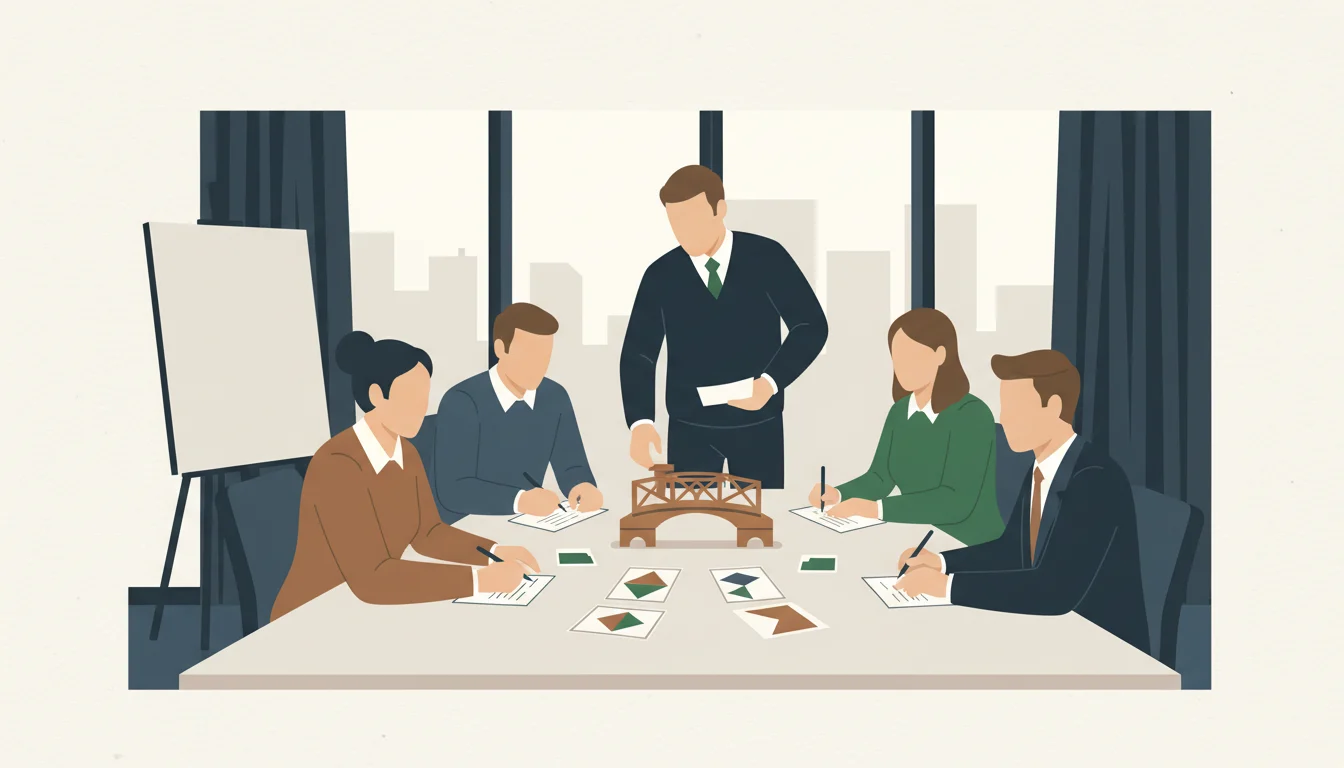
Beat the Clock is a roughly one-hour tabletop challenge involving construction puzzles, trivia and practical problem-solving. The group decides how to divide tasks, shares discoveries and adapts its approach as time runs down. It can sit inside a firm conference or practice-group meeting without transferring everyone to another site.
One advantage is that the tasks are not based on the firm’s actual work. Colleagues can collaborate on neutral material without using client files, legal opinions or sensitive case information. It is a team challenge, not a legal skills course or professional accreditation. Room layout matters: theatre seating is not enough when everyone needs a table and space to work.
2. Big Picture to connect separate practice and support teams
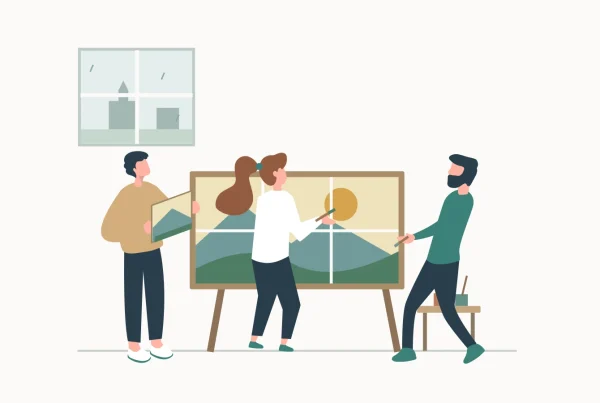
In Big Picture, groups paint different parts of one larger artwork and coordinate with neighbours before the final reveal. The published session is approximately two hours. It creates a common task for colleagues who may have little everyday reason to work together, such as transactional teams, litigation groups and business services.
Unlike a presentation-led workshop, the task gives participants something tangible to organise and produce. The organiser should still make it voluntary in spirit: nobody needs to be an accomplished painter. Practical requirements include tables, protection for the room, setup time and an agreed plan for the finished piece. A company-themed design should use artwork approved for sharing with an external supplier.
3. The Belbin Experience when development is the purpose
The Belbin Experience involves Team Role profiling and facilitated discussion supported by practical activities. This is a different level of engagement from a fun conference icebreaker. It requires preparation, participant information and clear agreement on how results are used and handled.
It may suit a leadership group or department that wants a structured conversation about collaboration and working styles. It should not be presented as psychometric screening for hiring, a diagnosis, a compliance course or a substitute for addressing workplace disputes. Agree in advance who receives any individual or team reports; do not surprise colleagues with profiling during a social outing.
4. Outdoor Celtic Games when the objective is social
For a genuine day away from desks, Celtic Games offers a three-hour Irish-themed station programme where people can contribute in different roles. The aim is participation, humour and shared challenge. It can work for a mixed firm-wide event if the outdoor site, weather contingency and mobility needs suit the group.
An outdoor team day needs more preparation than an indoor coffee break: a usable activity footprint, access for equipment, toilets, shelter and time to travel. Ask the venue what is actually permitted rather than assuming the lawns shown online belong to the event booking.
5. A Dublin walking challenge or an evening experience
If the team is based in central Dublin, the Code Breaker Treasure Hunt uses maps and clues to create an outdoor challenge. The group can finish near a planned meal where the route and timetable allow. Agree the briefing and finish points, walking time, accessibility, public-space considerations and wet-weather decisions before making dinner reservations.
For a team that wants an evening rather than an active afternoon, an actor-led Murder Mystery may be an alternative, subject to suitable private space and the dinner service. It is entertainment, not a legal or investigative training simulation. Our murder mystery dinner planning guide covers room and timing considerations in more detail.
Law firm, in-house legal team or mixed practice group?
A firm-wide social event
For a company event bringing together fee-earners and non-fee-earners, avoid building teams strictly around seniority or existing departments. Mixed groups can give colleagues a reason to meet people outside their regular working relationships. Explain the event as an opportunity to take part, not as a competition tied to performance reviews.
Think carefully about the activity’s tone. A highly physical competition may delight some guests and exclude others. A mix of planning, practical tasks, creative work and optional physical activity usually gives people more ways to contribute.
An in-house legal department away day
A smaller in-house team may have very limited time when colleagues remain responsible for live business matters. A contained indoor challenge can allow the group to participate without losing most of the day to travel. If the aim is to improve how the legal team works with HR, finance or procurement, invite those colleagues into the event rather than expecting lawyers to ‘represent’ everyone else.
If collaboration processes need to be discussed afterwards, the team’s own manager should determine what workplace subjects can be shared. The external activity can provide neutral material without asking for real contract issues or confidential disputes.
A trainee or newly formed team
For a larger trainee intake or newly combined department, an experiential Graduate Grow programme may suit a more deliberate learning objective. It can focus on participation, asking questions, communication and relationships across a new cohort. Employer-specific legal, ethical and regulatory induction remains the firm’s responsibility.
Keep confidentiality straightforward
A team-building provider should not need client names, transaction documents, live matters, passwords, internal correspondence or privileged legal advice to facilitate a useful session. Use neutral puzzles and approved briefing information. If the organiser wants branded activity materials, share only content cleared for external use.
Photography is another easy point to overlook. Some firms and clients restrict photographs, social posting or use of office spaces in promotional material. Agree the policy before the supplier arrives, and tell participants what will happen. A social team event should not quietly become a marketing shoot.
For facilitated development activities, confirm what participant data is collected, who receives reports and whether the provider’s documented data-handling arrangements meet the firm’s requirements. Keep access and retention questions separate from the fun of the day.
Office, hotel or offsite: compare the usable hours
In the office: it can be efficient to bring a mobile indoor activity to a suitable room, especially for a short afternoon break. Check visitor access, loading restrictions, table layout, security screening and whether the group can make noise without disrupting client meetings.
At a Dublin hotel: having meetings, team activity and food in one building may make the programme easier, but only if the function room can support the activity. Check theatre capacity against actual table layout, supplier setup access and whether the same room is needed for dinner. See our hotel team-building planning guide.
At an offsite venue: travel can be worthwhile for a half-day outdoors or an away day with a clear social purpose. Work back from the latest realistic finish time, not just the start of the activity. Overnight options, venue hire, transport and dinner need separate confirmation.
Three practical example schedules
A 90-minute conference window
Allow a short introduction and group organisation, run the approximately one-hour Beat the Clock challenge, then finish with a brief informal discussion. This assumes the room is already ready for participants. Supplier load-in and breakdown must have their own window.
A half-day collaboration session
Hold a business update, break for coffee, then run Big Picture. Allow the full two-hour activity, final reveal and room turnaround before dinner or the next meeting. If the goal is interdepartmental relationships, encourage mixed tables rather than preserving existing team silos.
A full-day leadership or trainee programme
Agree learning objectives first and complete any required pre-work for Belbin or Graduate Grow. Leave time for facilitation and reflection instead of scheduling wall-to-wall activities. If the programme includes dinner, keep it a separate social chapter rather than stretching the training session into the evening.
These are planning examples, not fixed packages, promises about delivery time or statements of venue availability.
What should a law firm request in the quote?
A good brief covers the proposed date, group size, participant mix, office or venue address, actual activity time, objective, accessibility considerations and any supplier onboarding or photography restrictions. The written scope should distinguish facilitation and equipment from room hire, catering, accommodation, transport and optional entertainment.
Ask who will arrange supplier access, how much setup time is needed, who resets furniture and what happens if the group size or schedule changes. If using a venue with a busy conference or private dining timetable, get one named operational contact to coordinate the transitions. The company away days and offsites section may help when the brief is broader than one team activity.
Law firm team building: frequently asked questions
Can Event Square run team building at our Dublin law firm office?
Potentially. Indoor activities are mobile, subject to room layout, supplier access, available time and the event being suitable for the space. A floor plan and headcount help us assess the options.
What works for a one-hour legal conference breakout?
Beat the Clock has a published one-hour activity format. It needs suitable work tables and separate allowances for setup and any room changeover.
Do people need to use real legal cases in the challenges?
No. Neutral puzzles and practical collaboration tasks can work without confidential files, client information or legal advice.
Can we bring trainees, partners and business-services teams together?
Yes, the brief can include different roles and departments. The activity and team allocation should be designed for inclusive participation, not to rank people’s workplace performance.
Is Belbin an informal game?
No. It is a structured facilitated experience involving preparation and participant input. Discuss objectives and how reports will be handled before deciding whether it suits the group.
Are these activities CPD-accredited or professional training?
Do not assume so. Event Square’s team-building activities should not be described as accredited legal CPD, compliance or regulatory training unless that is expressly documented for a particular programme.
Can we combine an activity with dinner or a Christmas event?
Potentially, subject to suitable rooms, supplier availability and a practical timetable. Catering, private-room hire, drinks and transport are not automatically included.
What details help you recommend the best format?
Send the date, numbers, venue, available time, whether the aim is social or developmental, and any access or confidentiality policies relevant to an external supplier.
Plan a legal-team event with Event Square
Tell us whether you want colleagues to relax together, meet beyond their usual practice group or work through a structured development session. Explore Beat the Clock, Big Picture and The Belbin Experience, or send Event Square your Dublin legal-team brief. We can suggest a practical starting point and clarify the venue and supplier checks before any booking is confirmed.