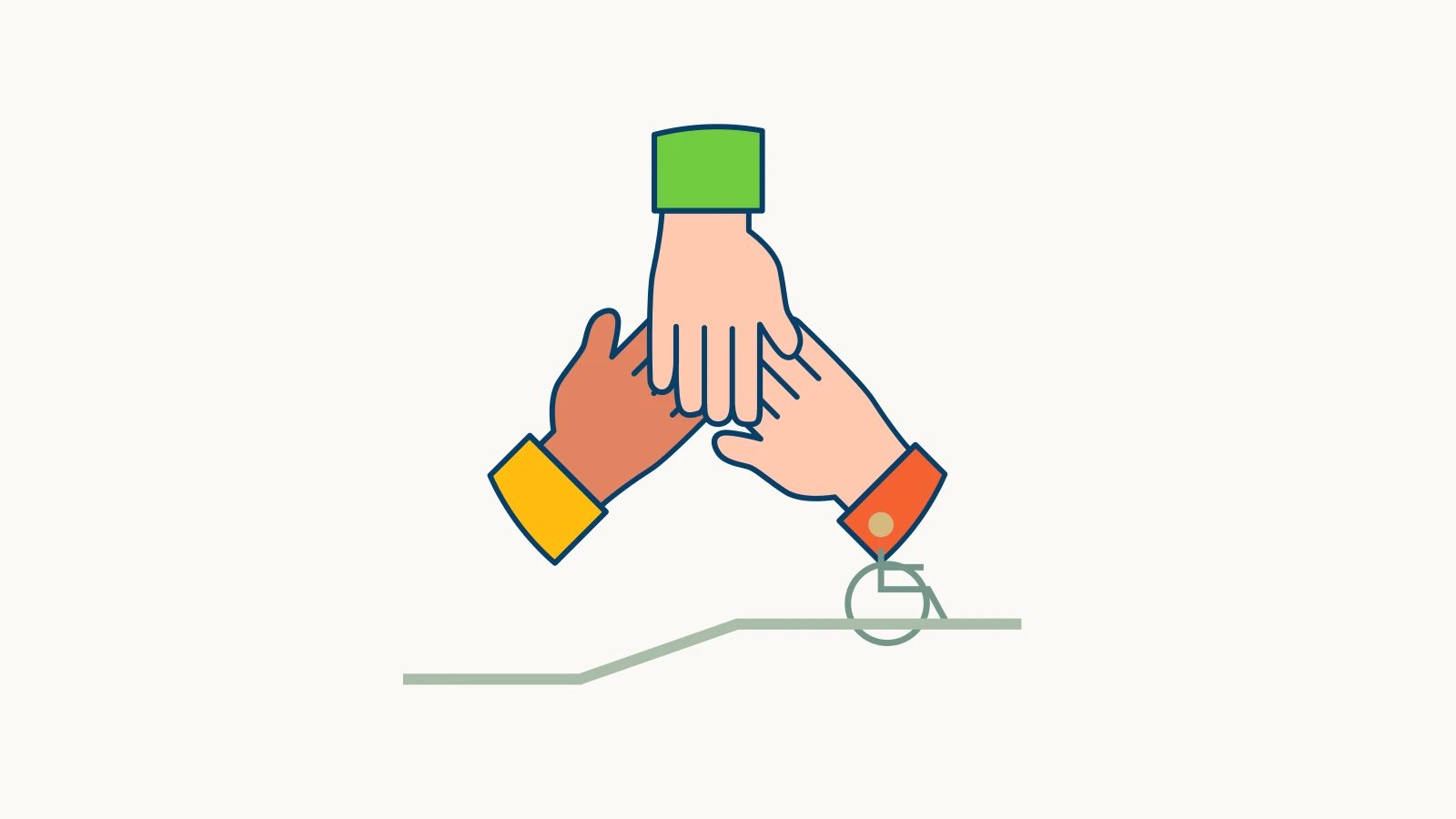
What makes a company team-building day accessible? It is not simply finding a venue with a ramp. A genuinely inclusive event considers how people arrive, move around, understand instructions, take part in the challenges and enjoy the shared finish. The activity should be selected around the group and the space—not the other way around.
For HR teams and office managers planning accessible team building in Ireland, the most useful starting point is a practical brief. Event Square delivers mobile corporate activities at suitable offices, hotels and event venues in Dublin, Wicklow and elsewhere in Ireland. We can discuss different participation requirements before recommending a programme, but accessibility and venue suitability need to be checked for the actual booking; no activity or venue should be described as universally accessible without that review.
What does inclusive team building involve?
People experience an event differently. Step-free access may be essential for one colleague; another may need quieter surroundings, clearer written instructions, a seated option, regular breaks or flexibility with physical tasks. Some colleagues simply do not enjoy being put on the spot in front of a large audience. An inclusive company day makes room for those differences without turning anyone’s personal circumstances into the centre of attention.
The aim is meaningful participation, not identical movement. A good team challenge gives people several ways to contribute: planning an approach, solving a clue, testing a construction, keeping the team organised or presenting the finished result. People should be free to take on roles because they want to, not because an organiser has made assumptions about their abilities.
For wider event-planning context, the Fáilte Ireland events resources include an accessibility checklist, while the National Disability Authority explains the principles behind Universal Design. These are useful planning references, not a substitute for checking the specific venue and event format.
Begin with a brief that protects people’s privacy
Send a short invitation asking attendees whether any event arrangements would help them participate. Give them a confidential route to reply to a named organiser. Do not circulate personal medical information in a team spreadsheet or ask colleagues to explain a disability to their group on the day. The supplier normally needs to understand the practical adjustment required, not someone’s diagnosis.
A useful event brief contains the date, location, numbers, age range if relevant, activity window, programme objective and the adjustments the organiser has agreed to arrange. Also explain whether the session follows a long conference, whether people will be in business clothes and whether the company wants a calm, creative experience or lively competition. These details often affect the choice as much as the number of participants.
The venue checklist: more than a room capacity
Venue brochures usually make it easy to find a maximum delegate number. They rarely tell you how much clear floor area remains once teams have tables, activity stations, catering or a stage. Ask the hotel or venue for a current floor plan and verify the following before confirming the programme:
- Arrival: accessible parking or drop-off, the route from transport, entrance thresholds and reception arrangements.
- Movement: lifts, door widths, corridors, changes of level and enough clear space around each challenge.
- Facilities: accessible toilets, refreshments and any necessary quiet or rest area on the same usable route.
- Communication: room acoustics, microphone arrangements, readable signage, visibility of demonstrations and alternatives to spoken-only instructions.
- Safety: appropriate emergency arrangements agreed with the venue and free circulation routes throughout the event.
- Weather: if using hotel grounds, what indoor alternative is genuinely suitable rather than merely available on paper?
This applies to a city-centre Dublin meeting room just as much as a Wicklow estate. A beautiful lawn is not automatically a suitable team-building surface, and a ballroom laid out for a gala dinner is not automatically suitable for six active challenge zones. Ask for photos of the room in its intended layout, not only promotional photographs.
Which Event Square activities are worth considering?
No single activity is right for every group. The options below are starting points for discussion, not guarantees of accessibility. Specific materials, room layouts, facilitators and possible adaptations must be agreed in advance.
| Format | Why it may suit a mixed group | What to check first |
|---|---|---|
| Beat the Clock | Short, tabletop puzzles and construction tasks give teams different roles. | Table height, reach, print size, handling small pieces and the pace of timed rounds. |
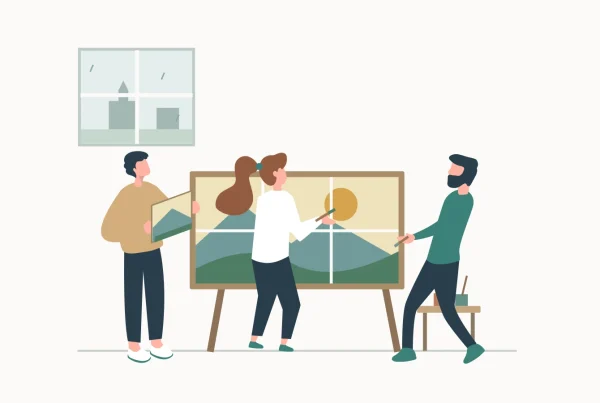
| Big Picture | Small teams coordinate separate sections of one collaborative artwork. | Seated working positions, paint handling, surface protection, vision and fine-motor requirements. |
| Krypton Factor Challenge | A mix of thinking, observation and practical tasks can offer varied contributions. | Which stations are selected, safe clearance, noise, mobility and whether everyone can rotate between zones. |
| WeGo Team Challenge | Several distinct team tasks create opportunities for planning, building and communication. | Physical intensity, station suitability, indoor/outdoor surfaces and feasible adjustments before booking. |
| The Belbin Experience | Useful where the aim is facilitated team development rather than a party-style competition. | Learning objectives, preparation, materials, facilitator arrangements and communication needs. |
For example, Beat the Clock is described as a one-hour conference activity, while Big Picture is a longer collaborative art format. Their differences matter. A painting workshop requires workspace and material handling; a puzzle session needs clear instructions and equipment that participants can comfortably use. Neither becomes inclusive merely by moving it indoors.
Design the challenge so different people can contribute
Give teams a genuine choice of roles
Instead of having every person race to complete the same manual task, consider a challenge that involves planning, interpretation, building and checking. Brief teams that they can decide who does what and switch during the activity. Avoid assigning someone to passive scoring simply because they use a mobility aid or prefer a seated role; scoring may be an enjoyable choice, but it should not be their only way to participate.
Offer more than one way to understand instructions
A facilitator can demonstrate a puzzle and provide a concise written version. Print should be legible, and instruction cards should not depend on colour alone. If background music makes verbal instructions difficult, turn it down during briefings. Where an attendee needs a specific communication support, agree how it will be provided before the day.
Plan for energy levels, breaks and sensory comfort
Not everyone enjoys loud countdowns, whistles or public elimination rounds. Consider a quieter area, clear timing, an optional pause and a finale that celebrates collective effort without pressuring everyone into a performance. A three-hour programme may need a comfort break and accessible refreshments. Build those breaks into the running order instead of hoping to squeeze them in later.
Check every zone—not just the start and finish
Multi-station programmes can fail when one room is accessible but the next requires stairs, uneven ground or a cramped corridor. Check the entire delegate route. If the event needs several zones, select stations that the actual venue can support and review them as a complete sequence. The venue’s advertised total area is not a substitute for examining the individual working spaces.
A practical example: a 90-minute indoor company session
Consider a company with a morning meeting in Dublin and 90 minutes available before lunch. It wants interaction without requiring colleagues to change clothes or leave the hotel. An illustrative plan could be:
- 0–10 minutes: welcome, clear explanation of the challenges and how teams can choose roles.
- 10–55 minutes: facilitated tabletop puzzles or a tailored creative task, using tables and positions checked in advance.
- 55–65 minutes: comfort and refreshment break.
- 65–85 minutes: shared conclusion or final team challenge at a manageable pace.
- 85–90 minutes: close and clear directions to the next part of the event.
This is a planning example, not an advertised Event Square package or a promise that a particular activity can be shortened. The final content and duration should be agreed with the supplier and venue. Equipment arrival, setup, room turnover and any accessibility arrangements need time outside the attendee-facing session.
Indoor, outdoor or a mixture?
Outdoor experiences can be an excellent choice when the ground, route, weather and alternative tasks are suitable. But describing an activity as “for everyone” because it has a few non-physical stations is not enough. Check surfaces after rain, gradients, distance between activities, accessible toilets and whether transport can reach the actual meeting point. This is especially relevant to estate-based programmes and countryside venues around Wicklow.
For a group that wants a complete indoor plan, our mobile team-building options may be a more practical starting point. You can also read our guide to hotel team building in Ireland before selecting a room. No venue should be represented as suitable until the organiser has checked its current facilities and the proposed activity layout.
What to ask the supplier before approving the quote
Ask for the specific tasks proposed, the amount of space each needs, the route between them, how long participants will stand or move, and which adjustments can be made without removing someone from the shared experience. Confirm who brings tables, materials, microphones and any specialist equipment; who briefs facilitators; and who makes the final decision if the programme or venue needs to change.
Costs vary with the chosen programme, number of facilitators, equipment, location, duration and any additional venue or access arrangements. Transport, room hire and catering should be identified separately where they are not included. A quote should not imply specialist services, accessibility features or certifications that have not been agreed and verified.
Frequently asked questions about accessible team building
Can Event Square organise accessible team building in Dublin?
Event Square can discuss mobile corporate activities at suitable Dublin locations and plan around disclosed participation requirements. The activity, adaptations and venue need to be reviewed for the actual group before anything is confirmed as suitable.
What team-building activity is best for people with different mobility needs?
Tabletop puzzles or collaborative creative formats may be worth discussing, but the right choice depends on each participant’s needs, the room layout and the practical tasks involved. Do not assume that a seated activity is automatically suitable for everyone.
Does low-tech team building make an event more accessible?
Not automatically. Printed clues may need larger type, small objects may be difficult to handle, and timed instructions can be stressful. Physical activities can be adapted only where it is practical and safe to do so.
Can wheelchair users take part in team challenges?
Potentially, depending on the task and venue. The organiser and supplier must check access routes, working heights, circulation and how the challenge is completed; a general product description cannot confirm individual suitability.
Do attendees need to tell the supplier about a disability?
The organiser should agree practical requirements confidentially and share only the information necessary to plan the event. Someone should not have to disclose private medical information to colleagues or facilitators during the activity.
Can an outdoor programme have an indoor alternative?
Yes, where an appropriate alternative activity and space are agreed in advance. An indoor room is not automatically large enough for an outdoor challenge, so the fallback needs its own equipment, staffing and layout check.
Is an inclusive team day necessarily non-competitive?
No. Friendly competition can work if people have meaningful ways to contribute, the rules are clear and the activity does not reward only speed or physical strength. Some groups will prefer collaborative goals rather than a ranked finish.
What should I include in the first enquiry?
Send the preferred date, town or venue, approximate numbers, activity duration, team objective, floor plan if available and any relevant practical participation requirements. This helps assess whether a programme can be tailored appropriately.
Plan a company day people can take part in
An inclusive event does not begin with a slogan; it begins with the brief, the room and the details of the tasks. Contact Event Square with your group size, preferred location and what you want the team to experience. We can discuss suitable formats and the checks needed before committing to a programme.