Sustainability team building in Ireland works best when colleagues have to make real choices together, rather than sit through another presentation. A hands-on construction challenge gives a team a shared problem: use the available materials, build something that works, make trade-offs and explain the decisions. That is the thinking behind Event Square’s Operation Wind Farm.
This is not a claim that one afternoon will reduce your company’s carbon emissions. It is an active team experience built around resource use, design decisions, communication and practical problem solving. For HR, L&D, sustainability and event teams, that distinction matters.
What is sustainability-themed team building?
Sustainability-themed team building is a facilitated group activity that uses environmental questions as part of a practical challenge. In a corporate setting, the aim might be to encourage discussion about waste, resources, engineering choices or working across departments. A good programme still needs to succeed as team building: people should have something to make, solve or decide together.
It should also be described accurately. An activity themed around energy efficiency is not the same as certified environmental training, a carbon audit, a verified emissions reduction or a charitable contribution. If your company wants those outcomes, they need to be commissioned and evidenced separately.
How Event Square’s Operation Wind Farm works
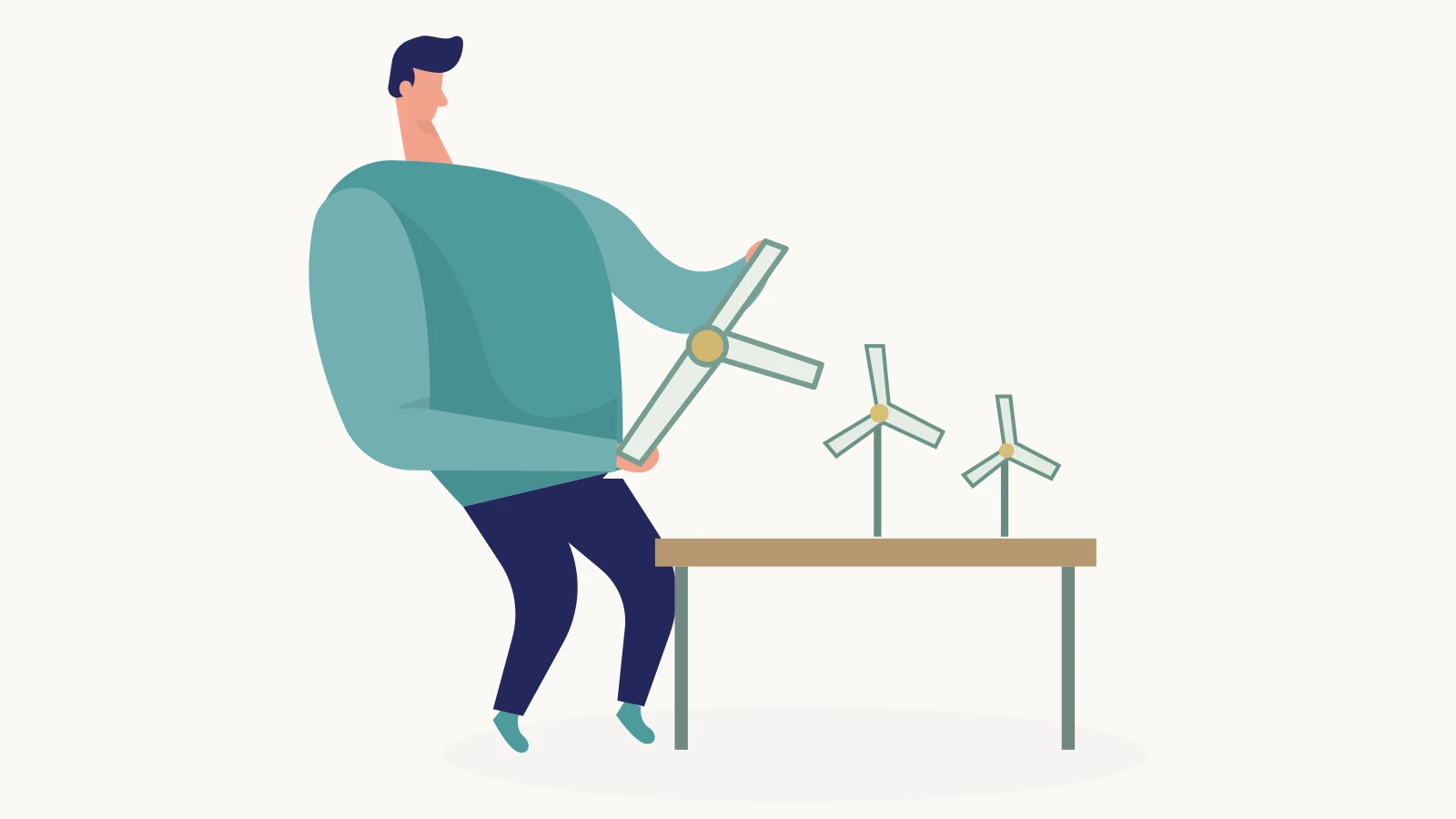
In Operation Wind Farm, each team receives building materials and is challenged to design a wind-powered device capable of lifting a weight one metre. The physical target is clear: the team must make its mechanism work. But there is another layer. Participants consider the carbon footprint associated with the components they choose and look for ways to improve their design rather than simply adding more material.
That creates several useful decisions. Should a team spend more time planning before constructing? Does the strongest-looking design necessarily use its materials well? Who tests the mechanism while somebody else records results? What changes after the first attempt? Teams learn quickly that a promising idea and a working device are two different things.
Event Square’s role is to plan and facilitate the experience for the group and venue. The exact running time, group configuration, materials and programme scope are agreed for the booking; they should not be assumed from a generic online agenda.
Why physical challenges can work for corporate teams
When everyone is working with the same small set of components, job titles become less important than what each person contributes. One colleague sketches a design, another spots a weak point, a third notices that time is running out, and somebody who has said very little may find the practical fix. The exercise makes those contributions visible.
There is also an immediate feedback loop. If the device does not lift the weight, the team can see it. Rather than debating who had the best idea, participants can inspect the outcome and revise it. A facilitator can then draw attention to communication, decision-making, resource allocation and the way teams respond when their first plan fails.
The takeaways are prompts for reflection, not guaranteed measurable improvements in workplace productivity. A short, specific debrief is more credible than promising that a game will transform company culture.
Where does this fit in an Irish corporate event?
After a sustainability or strategy presentation
A practical build offers a change of pace after presentations about company priorities. Delegates can apply the broad themes of trade-offs, limited resources and testing ideas without being asked to repeat corporate messaging. A short facilitated discussion afterward can connect their decisions back to the meeting.
During a graduate or new-starter programme
New colleagues may not yet know who is confident presenting, who likes detail or who tends to work quietly. A construction task gives them a reason to collaborate without requiring specialist technical knowledge. Keep instructions accessible and do not treat a single activity as an assessment of someone’s ability.
At a departmental offsite
Engineering, operations, finance, sales and HR colleagues can approach the same problem from different angles. The event works particularly well when the organiser wants mixed teams rather than the usual departmental tables. Teams should be assigned deliberately so each group has a balanced mix of people.
As part of a wider away day
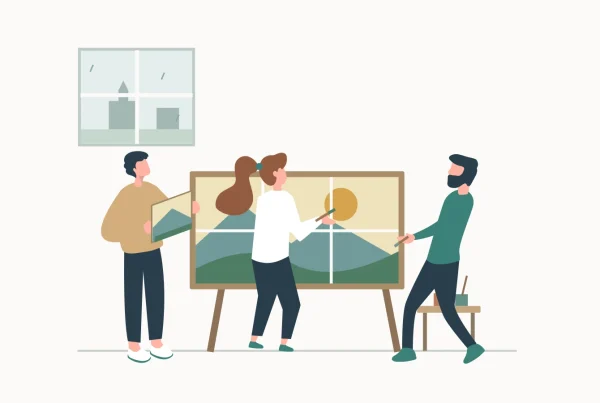
If the company wants an active day rather than one sustainability-themed session, the programme can be considered alongside a Krypton Factor Challenge or a collaborative creative experience such as Big Picture. The right mix depends on the venue, group size and learning or social objective. It is not necessary to frame every activity as environmental.
A practical sample agenda—not a fixed Event Square package
For an organiser considering this type of session, the following is an illustrative structure to discuss with the event team. It is not a published duration or a promise that every booking includes these timings.
- Welcome and brief: explain the build objective, materials, assessment criteria and safe working rules.
- Team planning: allow groups to discuss a design and allocate responsibilities before they touch the materials.
- Build and test: run the practical challenge with an agreed testing point and a clearly visible clock.
- Improve: invite teams to consider how to improve performance or reduce material use before a final demonstration.
- Debrief: compare approaches, discuss the trade-offs and identify one lesson the team can take into its next project.
When a conference timetable is tight, agree the available minutes first. An activity should be designed to fit the actual event window, including arrivals, room resets and any changeover between speakers.
What room and equipment information should the organiser provide?
A practical build has different requirements from a quiz or a seated talk. Before deciding that a hotel meeting room will work, check the floor plan and the way the space will be used.
- Working space: enough suitable tables and room for participants to move safely between team areas.
- Testing zone: a clearly designated area for demonstrations, separated from catering, entrances and passing delegates.
- Access: level access where possible, with a suitable seated role and clear viewing of the demonstration for participants who need one.
- Noise and schedule: consider neighbouring meeting rooms, a conference presentation next door and the time needed to clear equipment afterward.
- Venue approvals: confirm with Event Square which materials and testing arrangements are proposed before booking a room.
Do not assume that a foyer, public hotel corridor or restaurant can be used as a building area. A room being large enough on a capacity chart does not necessarily mean its layout suits the activity.
How to avoid greenwashing in a team-building brief
There is a simple rule: describe what participants actually do, and do not turn a team game into an unsupported environmental claim. Event Square can describe a sustainability-themed construction challenge that encourages awareness of component choices and resource use. It should not be sold as carbon-neutral, zero-waste or emissions-saving unless a credible measurement and supporting evidence exists.
For Irish event and hospitality businesses, Fáilte Ireland’s guidance on making credible green claims is a useful reference. It encourages claims that are clear and substantiated. The same discipline helps a company avoid overstating what a corporate activity has achieved.
If sustainability is genuinely a business priority, ask a separate set of procurement questions. How are delegates travelling? Is the team day in a venue people already need to attend? Can schedules be combined to avoid an unnecessary second journey? How are materials managed after the activity? These decisions may matter more than the label on the event itself. Where an answer is not yet known, ask rather than assuming.
Choosing between Operation Wind Farm and another hands-on experience
Choose Operation Wind Farm when the brief calls for a practical engineering-style task with environmental decision-making as a theme. Choose Big Picture when the priority is a creative, visual collaboration activity with a combined artwork at the end. Choose Krypton Factor when the group wants varied timed challenges and a competitive finale. These are different experiences, not interchangeable names for the same package.
The organiser should also decide whether the purpose is social bonding, team development or a subject-focused workshop. One event can contain elements of more than one, but the expectations should be clear from the start.
What should go into a quotation request?
Event Square is mobile and can discuss suitable offices, hotels and event venues around Dublin, Wicklow and the wider country. A useful first enquiry includes the group size, location, preferred date, indoor space available, event timetable, accessibility considerations and the outcome you want. Tell us whether you have booked the room or need help finding a venue.
Also ask for a breakdown of what is included in the proposed activity fee and what is separate. Catering, accommodation, venue hire and transfers should be checked explicitly rather than assumed to be part of a team-building quote. For a fuller overview of event logistics, see our guide to team building at hotels in Ireland.
Frequently asked questions about sustainability team building
What is Operation Wind Farm?
It is Event Square’s sustainability-themed construction challenge in which teams build and test a wind-powered device intended to lift a weight one metre, while considering materials and resource use.
Is Operation Wind Farm an environmental training qualification?
No. It is a corporate team-building experience with sustainability themes, not a certification, carbon audit or technical energy course.
Can it be held at our office?
Potentially, provided the available space and proposed equipment are suitable. Share your office layout and access details so Event Square can assess the practical requirements.
Does it need to be outdoors?
Do not assume either an indoor or outdoor setup is suitable without reviewing the planned build and testing requirements. The location and setup are confirmed when the event is scoped.
What group sizes are suitable?
That depends on the available floor area, team configuration and level of facilitation. Share your numbers for a tailored recommendation rather than relying on a blanket capacity figure.
Can we use it for a graduate intake?
Yes, it is worth considering as a shared problem-solving challenge. For a broader induction programme, Event Square can also discuss how practical activities fit around your learning sessions.
Does the event make our company more sustainable?
An activity can encourage useful conversations and behaviours, but it does not itself establish a measurable environmental outcome. Claims about reduced emissions or waste need separate evidence.
What affects the cost?
Group size, venue, duration, equipment, staffing, logistics and any additional services. Ask for a quote specific to your event rather than an invented per-person figure.
Plan a hands-on sustainability team event with Event Square
If you want colleagues to spend less time on screens and more time solving something together, explore Operation Wind Farm and share your event brief with Event Square. We can discuss the group, venue and programme before recommending a practical format. For more ways to get people working together, browse our outdoor team-building planning guide and related experiences.